Sound installation built with Arduino, analogue coded with Pure Data, and modelled with AutoCAD. Trigger memories that fragment and distort with proximity.
Machine Learning & Product Design
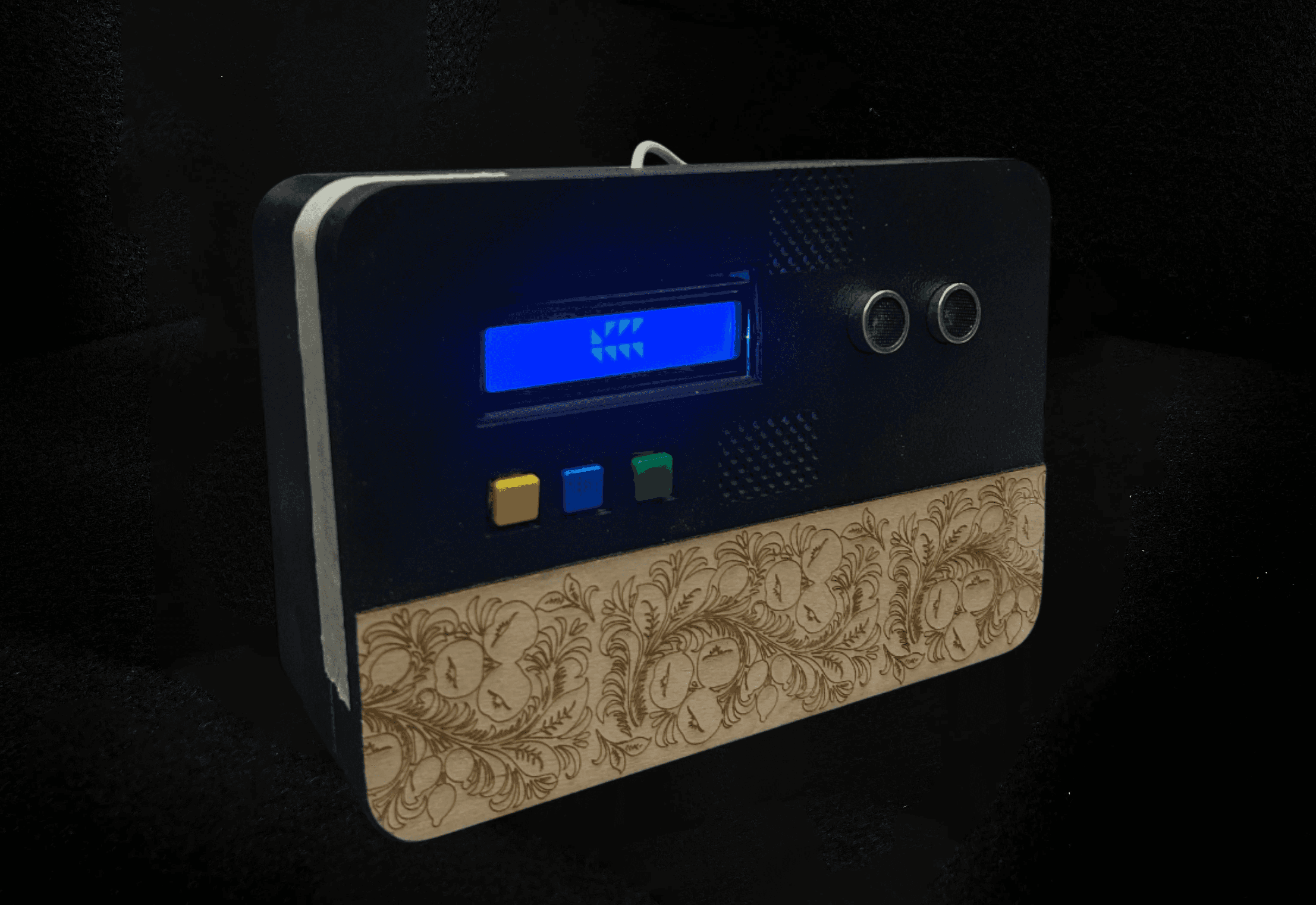
Random Access Grief is an interactive sound installation that explores grief as a non-linear, sensor-driven process — one that emerges not from intention, but from proximity and darkness.
The work treats grief as data: stored in color, encoded in frequency, and retrieved through shadow. Using a photoresistor as its primary sense organ, the system continuously measures ambient light, triggering particle memories and their corresponding tones only when light is withheld. Like grief itself, the installation is durational and loop-based, with no fixed beginning or end.
The project is rooted in posthuman theories of grief and memory. Nina Lykke's concept of vibrant death, Audrey Samson's work on digital funerals and data death, and Mary Shelley's Frankenstein provide a literary and theoretical framework for understanding grief as a motivating force behind technological creation.
Speculative elements — A public, interactive installation where grief is experienced through shadow, movement, and sound. The visitor's body — blocking light, casting darkness — becomes the generative force. Extended darkness preserves memories, making them glow brighter and resist decay.
Technical Stack:
Embedded systems: Arduino UNO with photoresistor sensor circuit
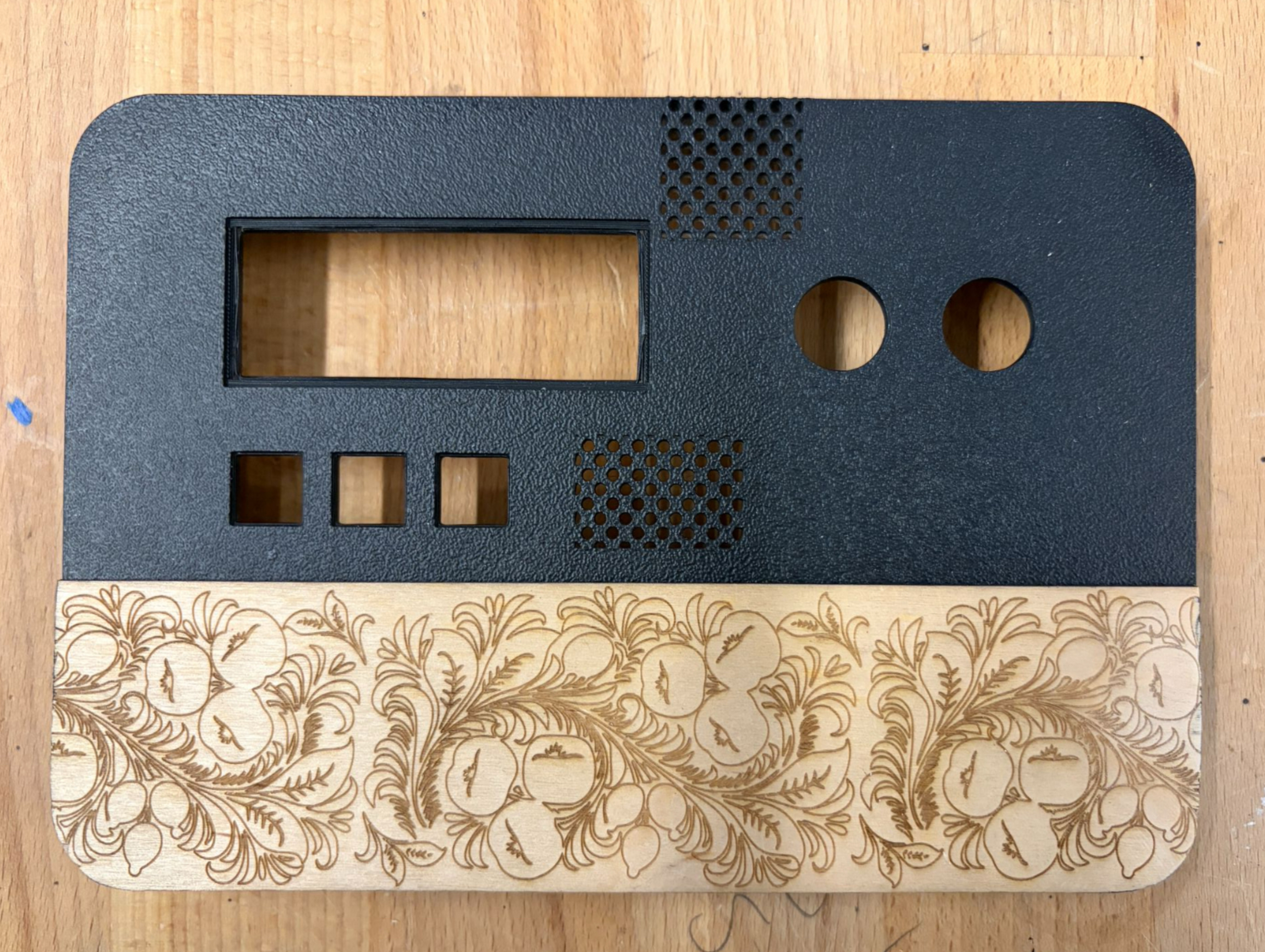
Physical fabrication: AutoCAD (enclosure modeling), laser cutting, 3D printing (PLA filament)
Analogue audio programming: Pure Data (Pd) — real-time audio patching and synthesis
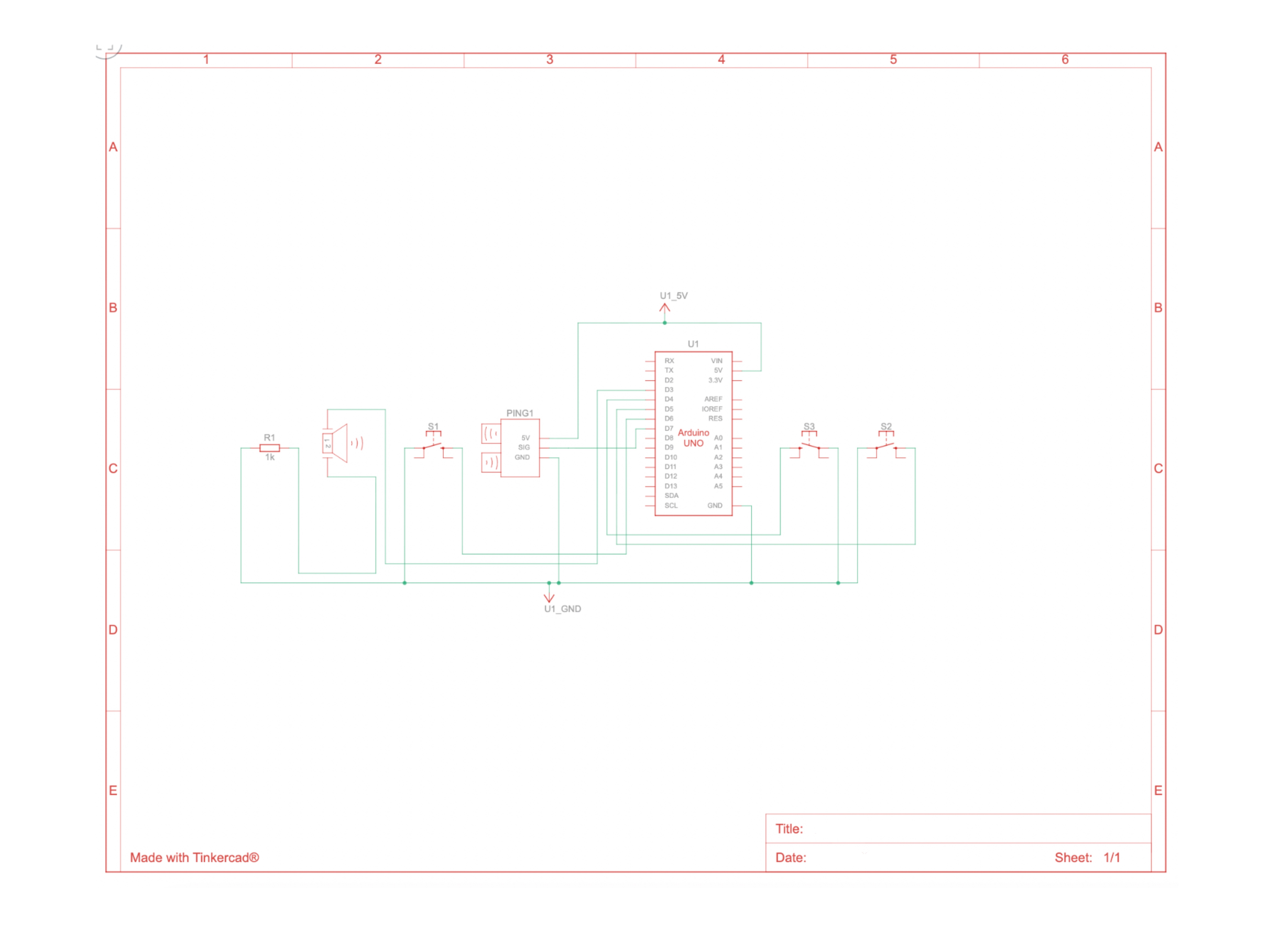
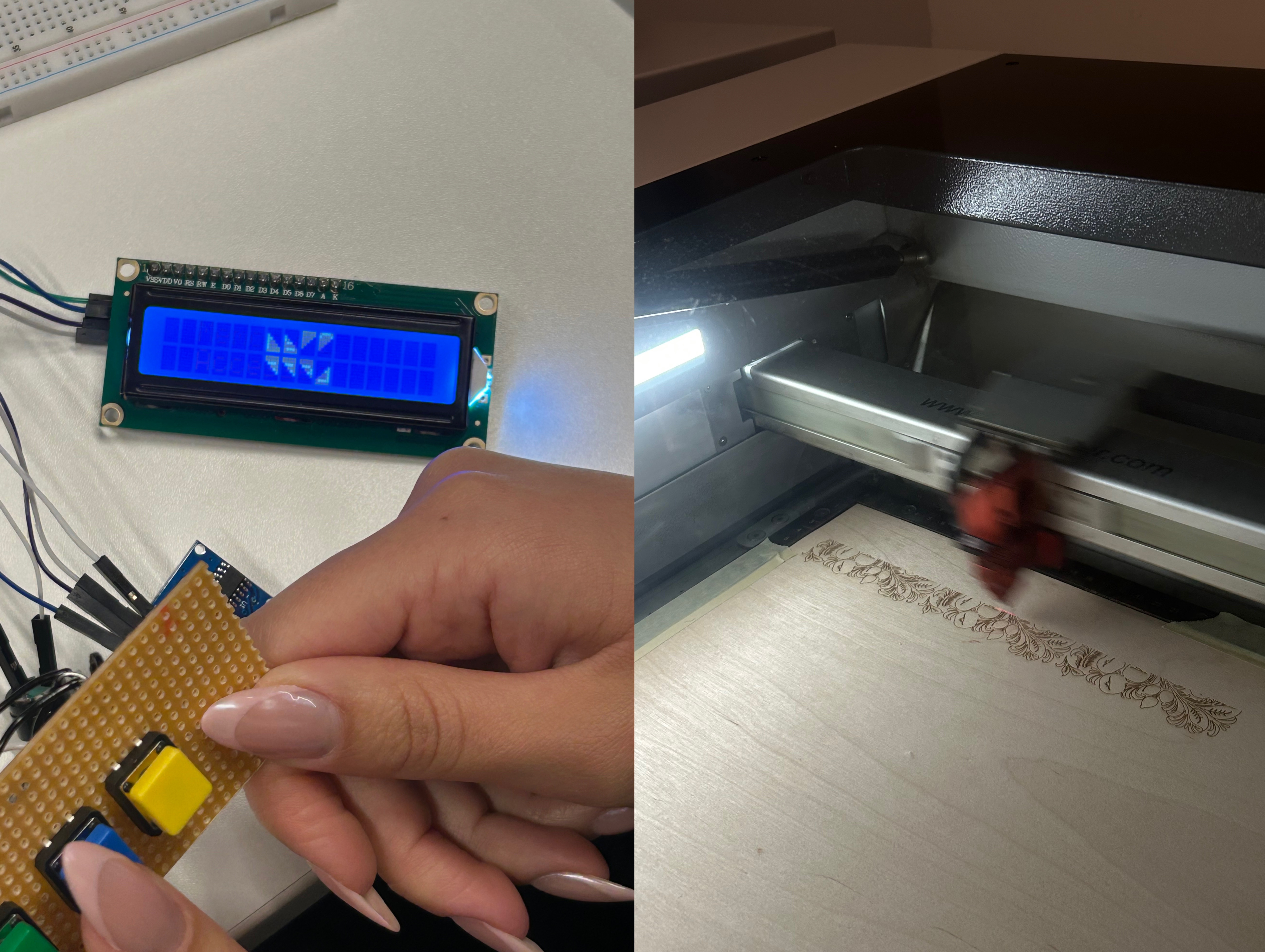
Electronics: Breadboard prototyping, perfboard soldering, circuit schematic design via Tinkercad
Hardware-software communication: Serial communication between Arduino and Pure Data
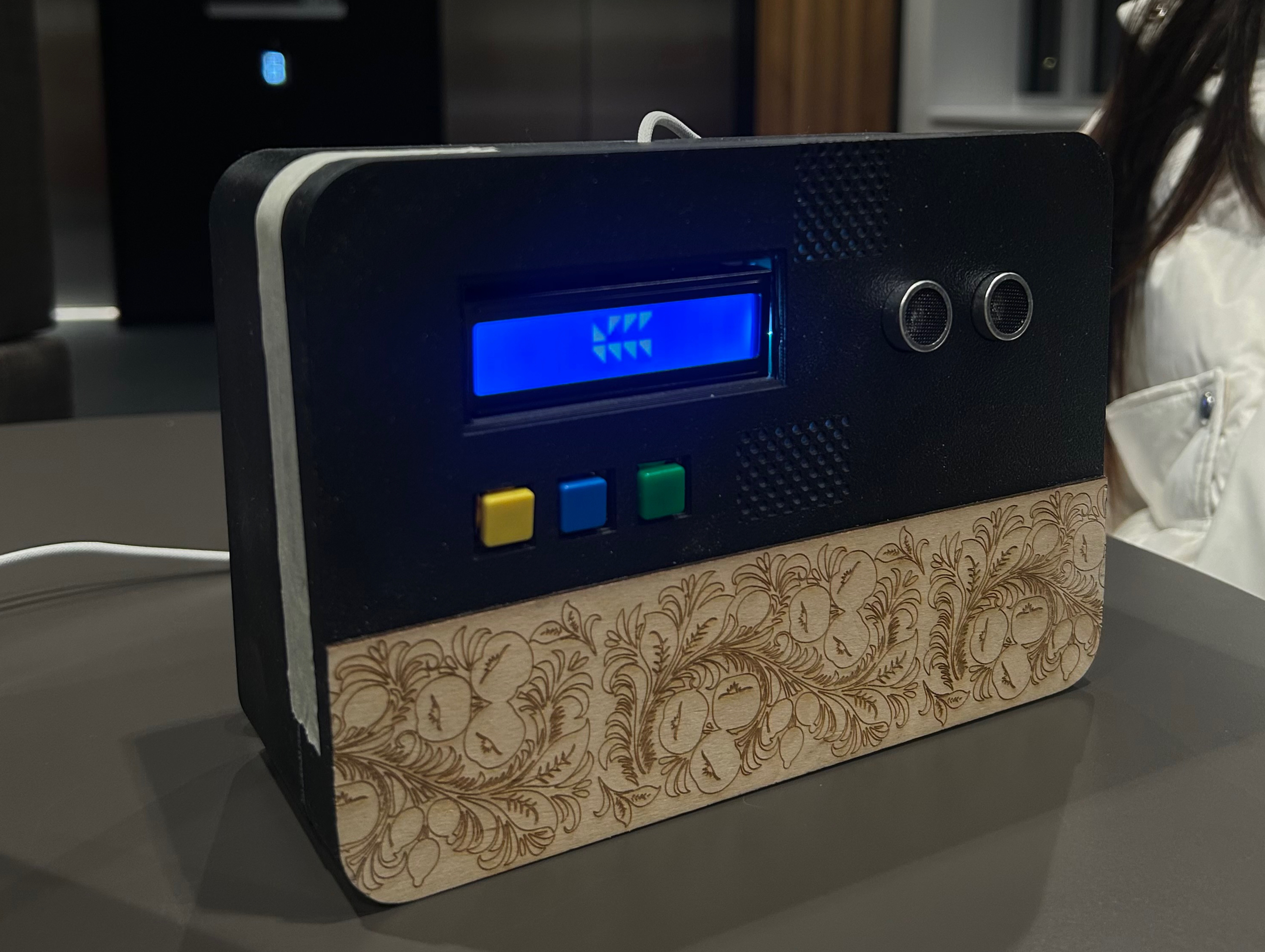
Final Piece — °❀⋆.ೃ࿔*:・
CAD Design — °❀⋆.ೃ࿔*:・

Process — °❀⋆.ೃ࿔*:・
" height="17px" id="xPFOWcvW0" transform="translate(4 3)" width="18px"/></svg>)